History and Heritage
1996-2008
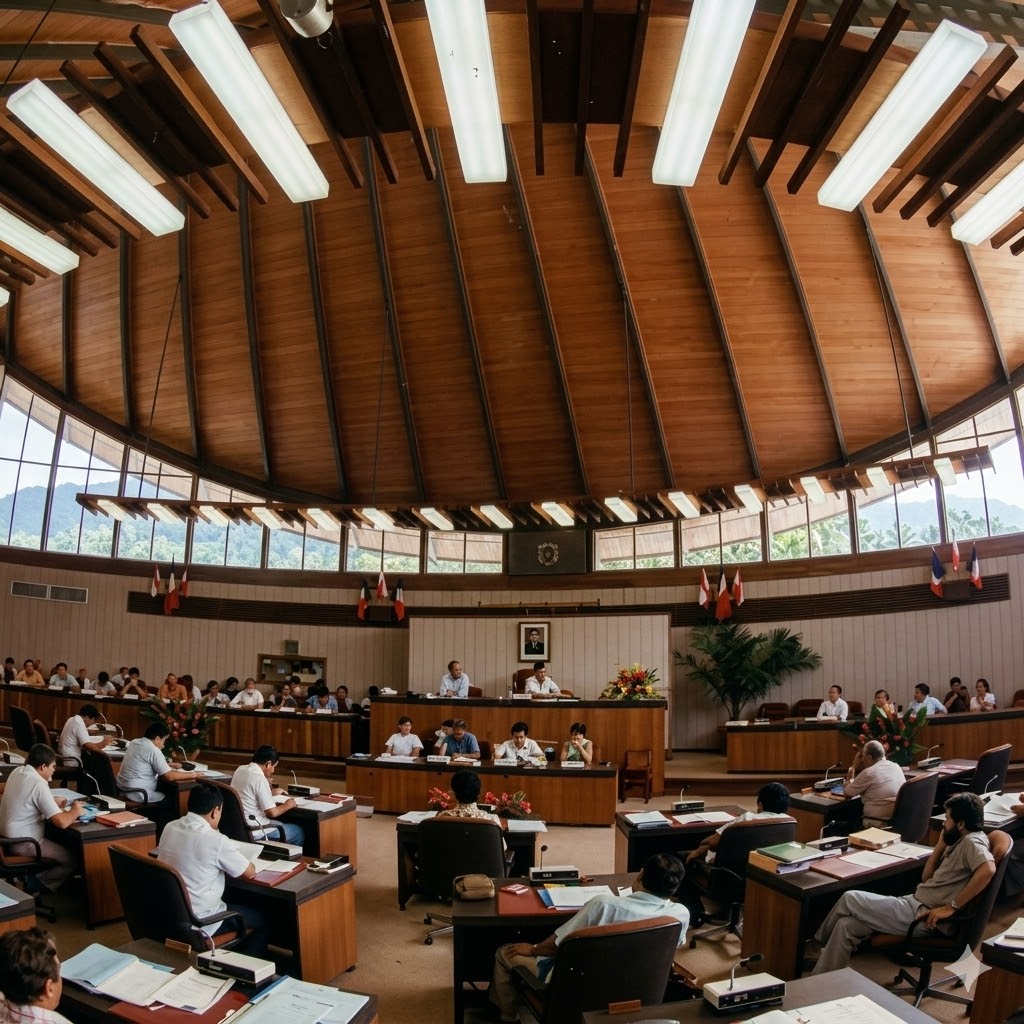
Since 1996
The Assembly of French Polynesia
The new statute of autonomy renamed the Territorial Assembly as the Assembly of French Polynesia on April 12, 1996. Politically, this period was largely dominated by the personality of President Gaston Flosse. He continued his struggle to push autonomy ever further, aided by the strong relationship he maintained with Jacques Chirac, who was then the President of the Republic.

1953-1996
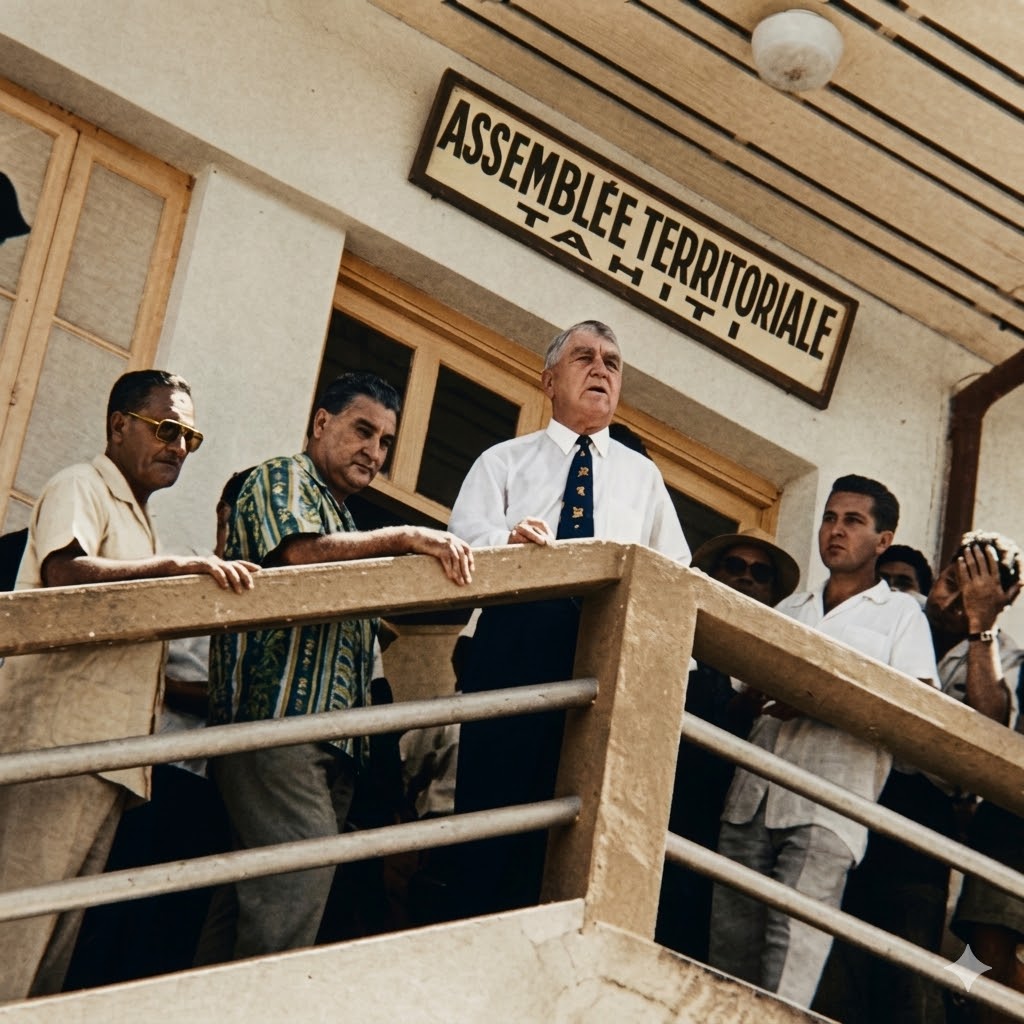
1953–1996
The Territorial Assembly
The Representative Assembly was replaced by the Territorial Assembly starting on October 21, 1952. At the same time, France found itself confronted by great perils. The Fourth Republic suffered from institutions that did not allow for stability; governments succeeded one another in rapid fashion, and major decisions were often postponed. Locally, the population of Polynesia continued to grow steadily, reaching 76,300 inhabitants by 1956.
1946-1953
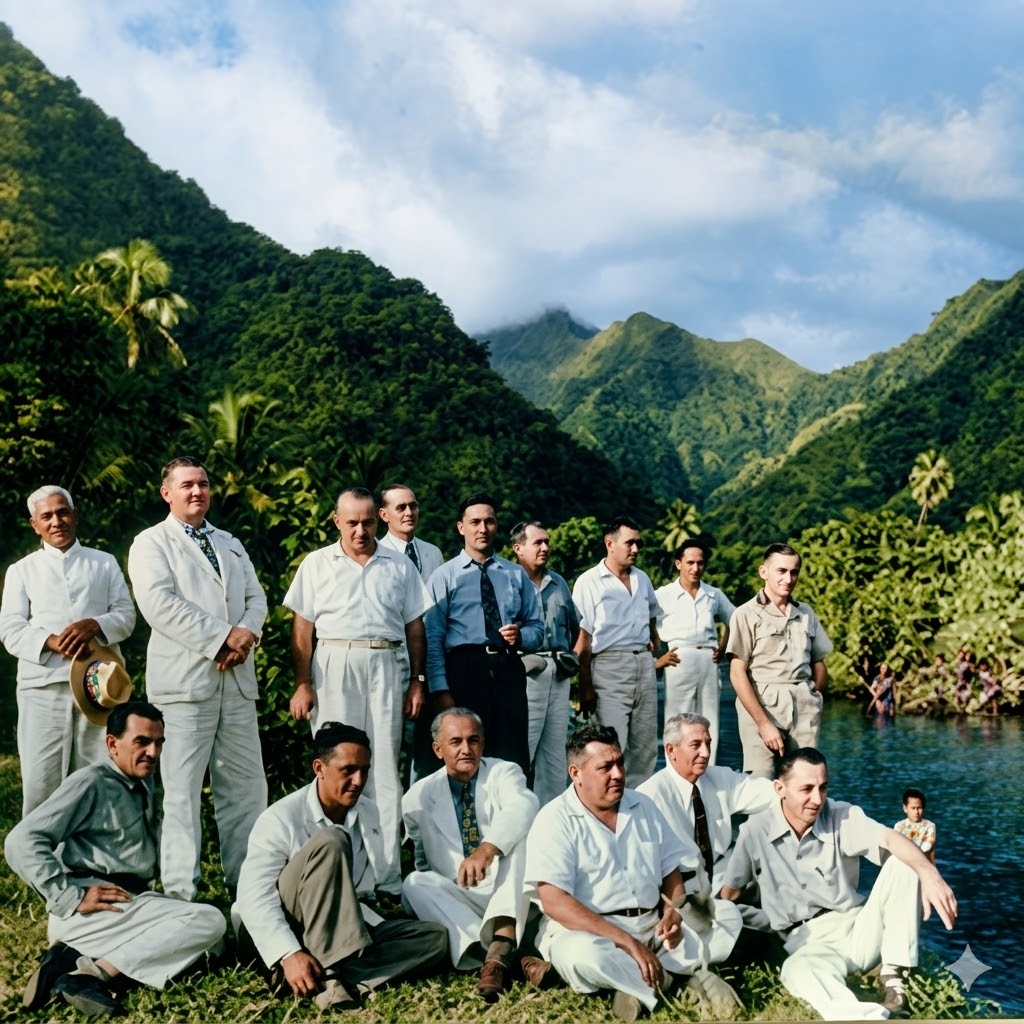
1946–1953
The Representative Assembly
During this period, the world was plunged into the heart of the Cold War, amid a general fear of the spread of communism. In France, it was time for the nation to recognize its colonies as full-fledged Overseas Territories(Territoires d’Outre-Mer). In Tahiti, Decree No. 45-1963 of August 31, 1945, created the Representative Assembly, composed of 20 members elected by a single electoral college. It was not until March 11, 1946, that Joseph was elected as its first president.
1932-1946
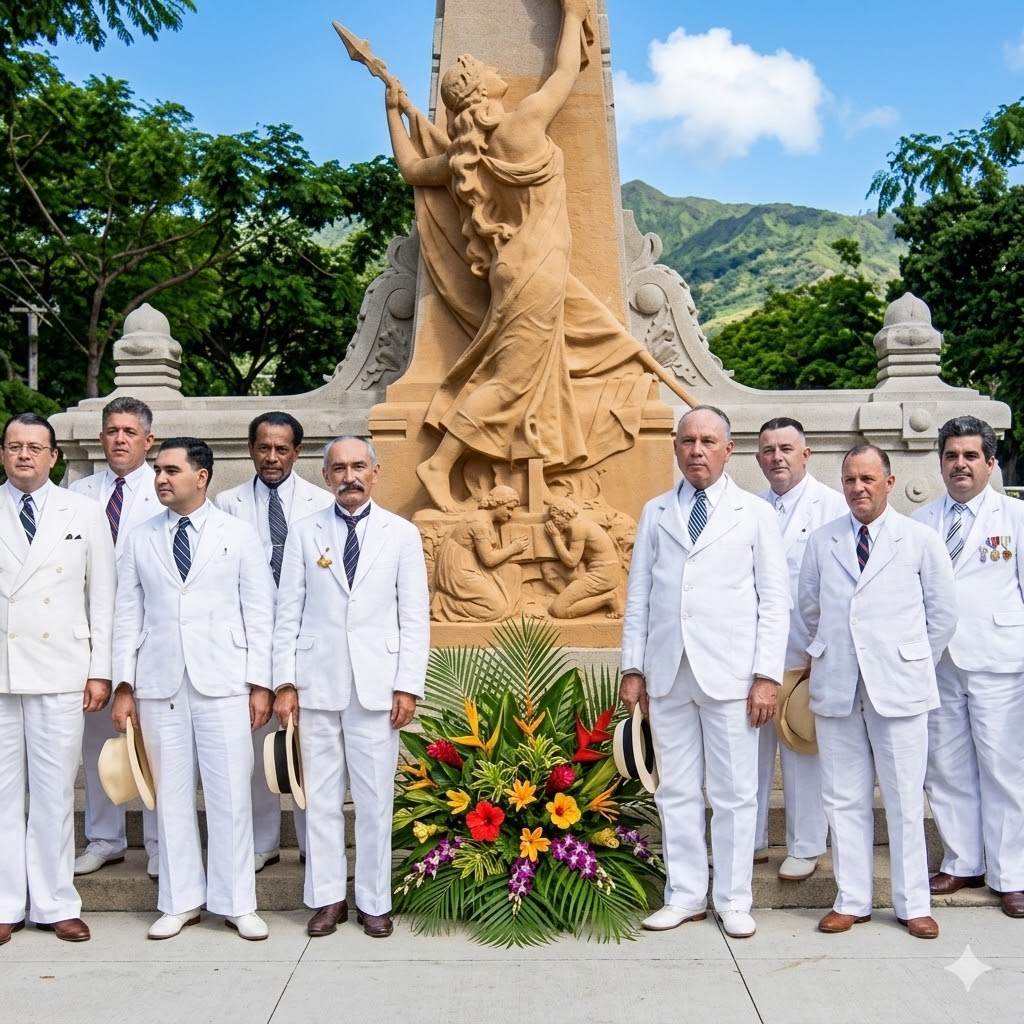
1932–1946
The Economic and Financial Delegations
In 1932, the decree of October 1st created the Economic and Financial Delegations, once again modifying the institutions of the colony. By late 1940, Europe was falling entirely under German control. In Tahiti, as early as March 25, 1941, Americans were seen disembarking from the two cruisers Brooklyn and Savannah. It was possible for the most enlightened minds to foresee the coming clash between the Japanese and the Americans…
1903-1932
1903–1932
The Council of Administration
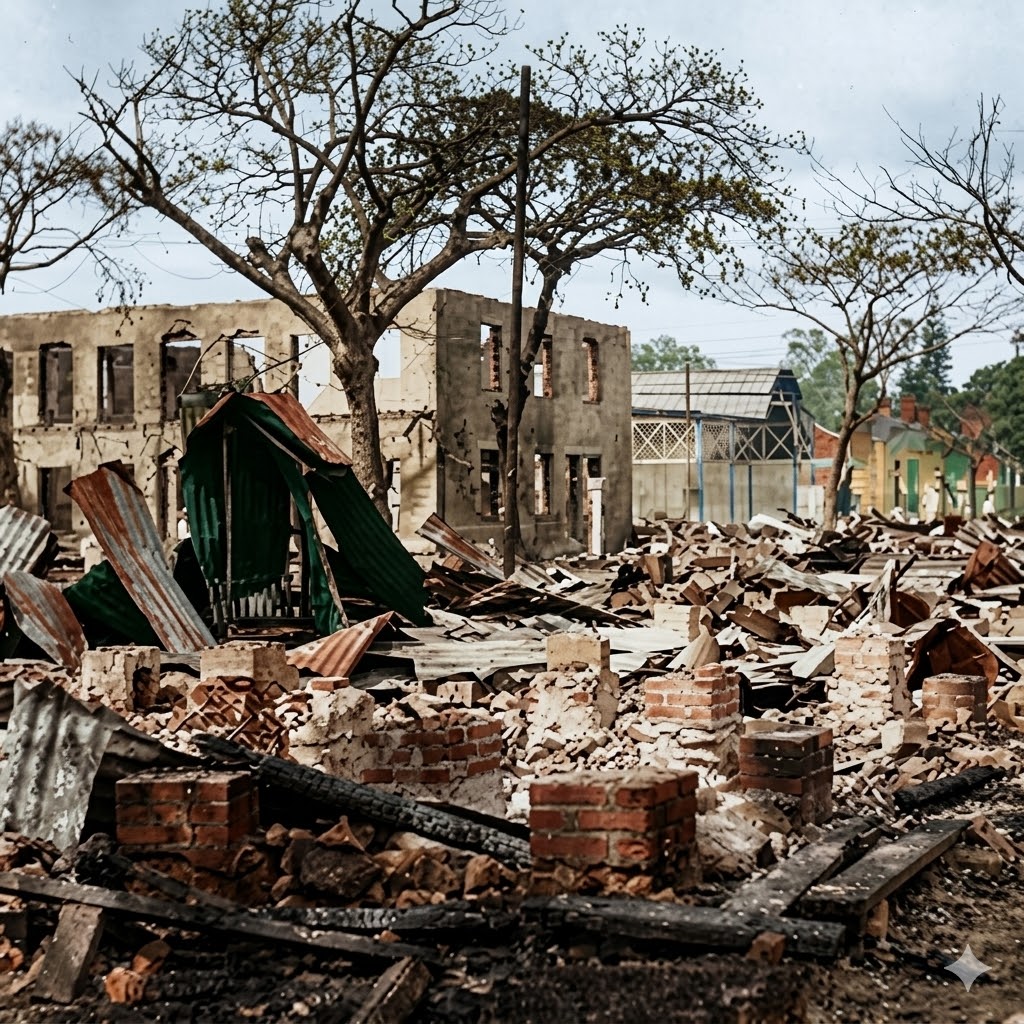
Following the poor experience with the General Council, the central government entrusted the Governor with the bulk of the powers within the colony. In 1912, the Council of Administration (Conseil d’administration) was launched. This new institution was composed of civil servants rather than elected officials. In September 1914, the port of Papeete was bombarded by a German ship, and the E.F.O. (French Establishments in Oceania) found themselves thrust into a conflict that had originated on the other side of the world, but in which they would nonetheless play an active part…
1885-1903
1885–1903
The General Council
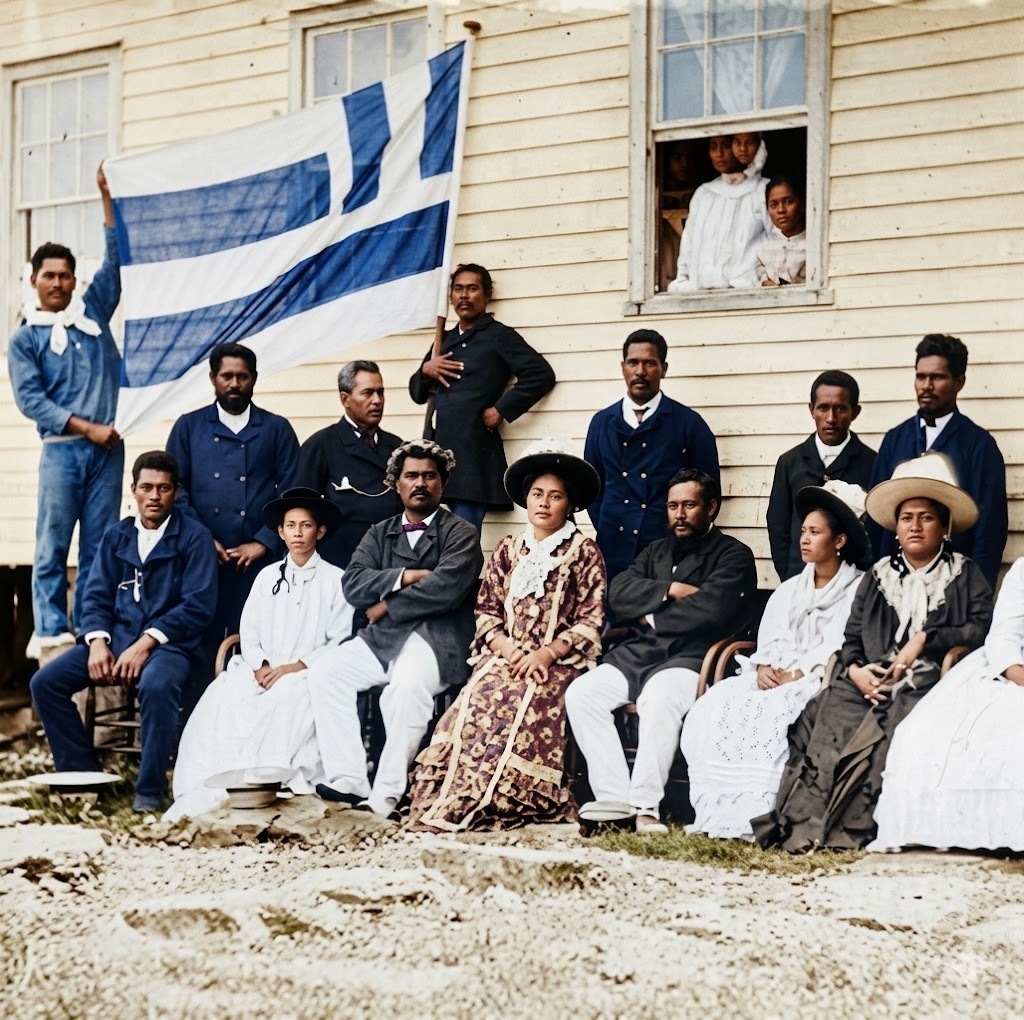
The General Council was created on December 28, 1885, and operated from 1886 to 1903, while the first signs of opposition to annexation appeared in Tubuai and the Leeward Islands. The powers of the General Council remained concentrated in budgetary debates; however, this was the first time in Tahiti that an assembly was elected by the entirety of the electorate. Previously, only the subjects of King Pomare and French citizens of European origin were permitted to vote…
1880–1885
The Colonial Council
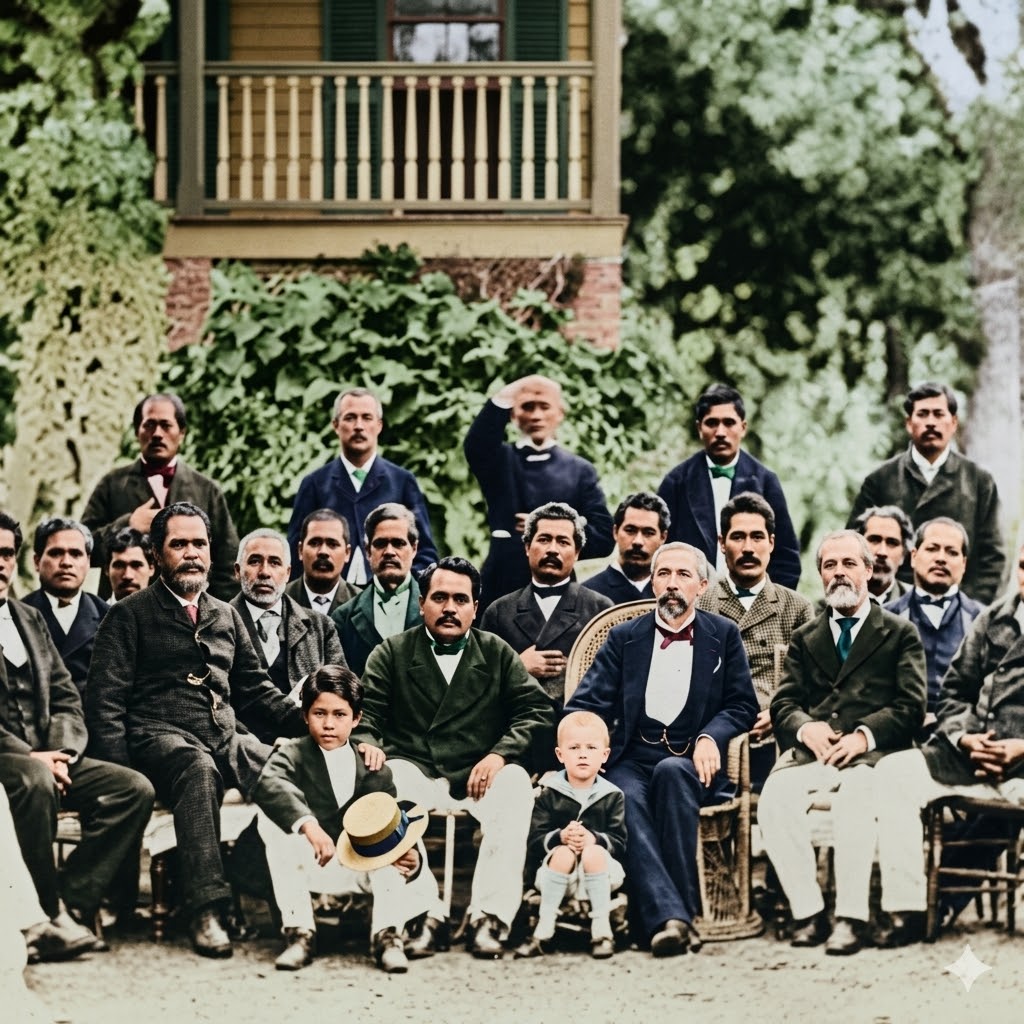
Since 1842, the Protectorate system established in Tahiti had not fully satisfied either the Ministry of the Navy or the Tahitians. At that time, the Governor retained the bulk of the colony's power. Opposing him was only a modest assembly with very little authority: the Colonial Council.
This was a consultative body that could only provide advisory opinions on local taxation and the colony's draft budget. Its internal dysfunctions would eventually lead to its dissolution.
1824-1880
1824–1880
The First Legislative Assembly
While a Franco-British understanding still seemed cordial in the Pacific, the roughly one hundred settlers established in Tahiti found themselves subject to the Missionary Law Codes, enforced by local chiefs and judges. In 1824, five years after the promulgation of the first Tahitian code, a new code was adopted. Among its major innovations was the institution of the first Tahitian Legislative Assembly—a true parliament designed to counterbalance the power of the high chiefs of the era…
1819-1824
1819–1824
The Missionary Laws
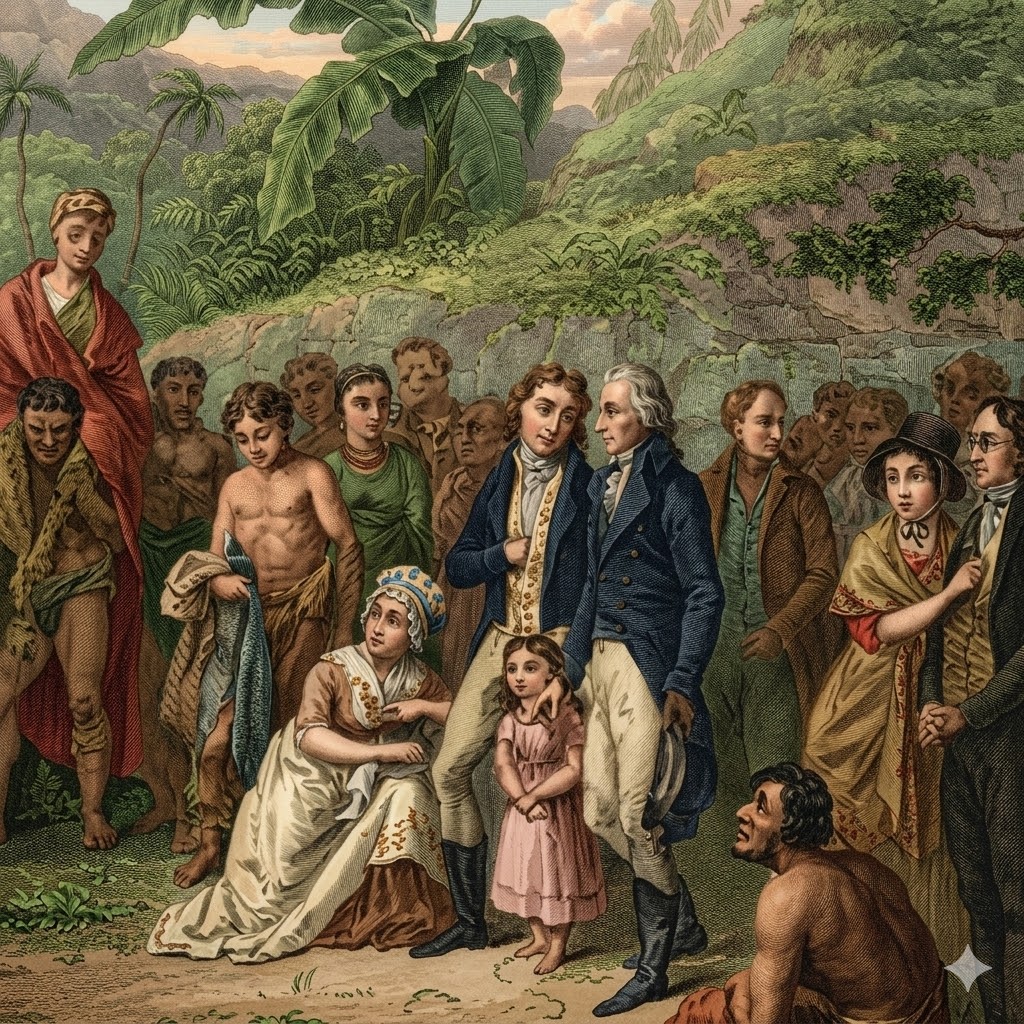
The dual secular and religious victory of Pomare was presented as a unified whole, explaining the political restoration of the ari’i (chiefs) and justifying the mass conversion of Tahiti and Moorea. On one hand, the missionaries' message was subversive, in the sense that it attacked the very foundations of local Polynesian culture; on the other hand, once the ari’iof the Society Islands were persuaded that the new religion would uphold the existing social hierarchy, conversions flooded in by order of the chiefs.
1767-1819
1767–1819
A New Order
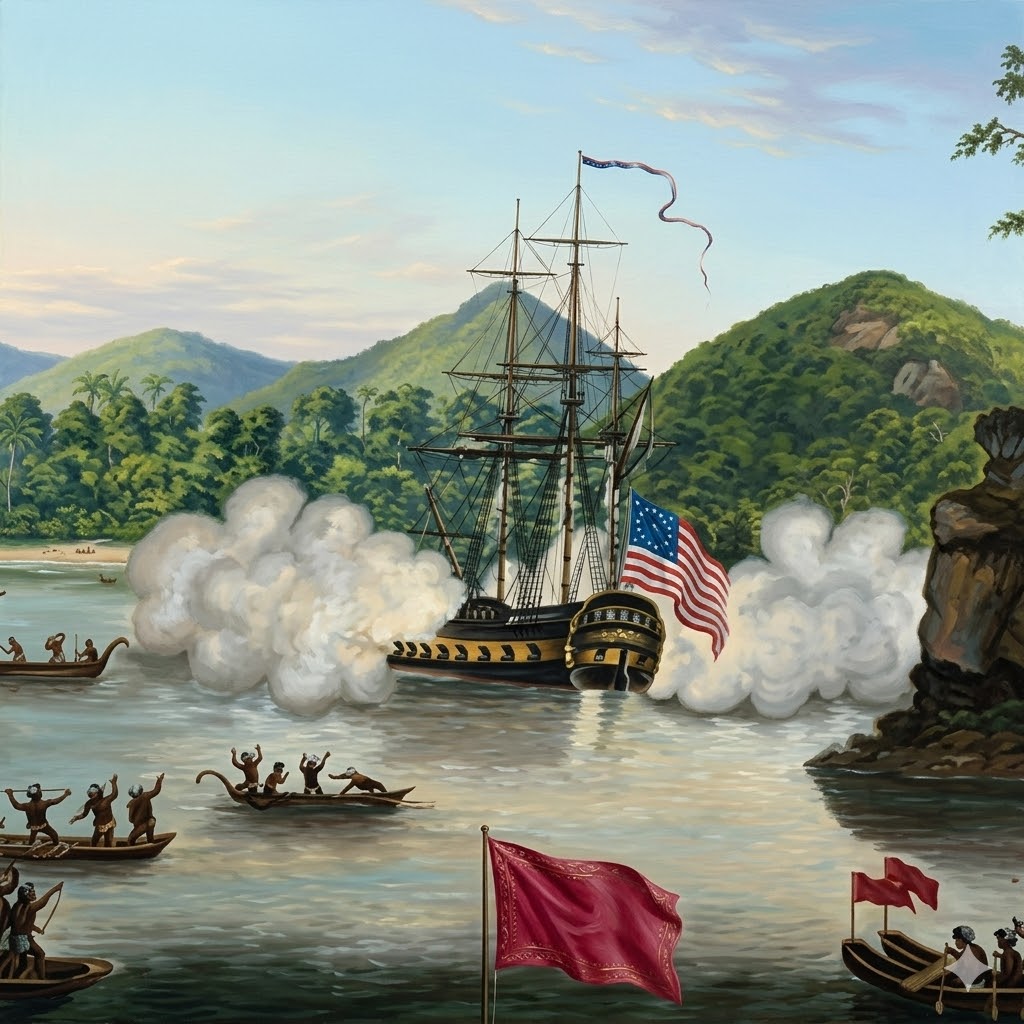
From the 15th century onward, Europe turned its gaze toward distant lands and unknown oceans. In 1595, the first contact took place between a European, Alvaro de Mendaña, and the Polynesian lands of the Marquesas. However, it was in 1767, when Samuel Wallis’s Dolphin appeared off Matavai Bay, that the history of Tahiti is considered to have begun. At that time, Tahiti was divided into six major tribal coalitions, formed through matrimonial alliances established under the aegis of the god ’Oro…
Taraho’i
Taraho’i: The Site
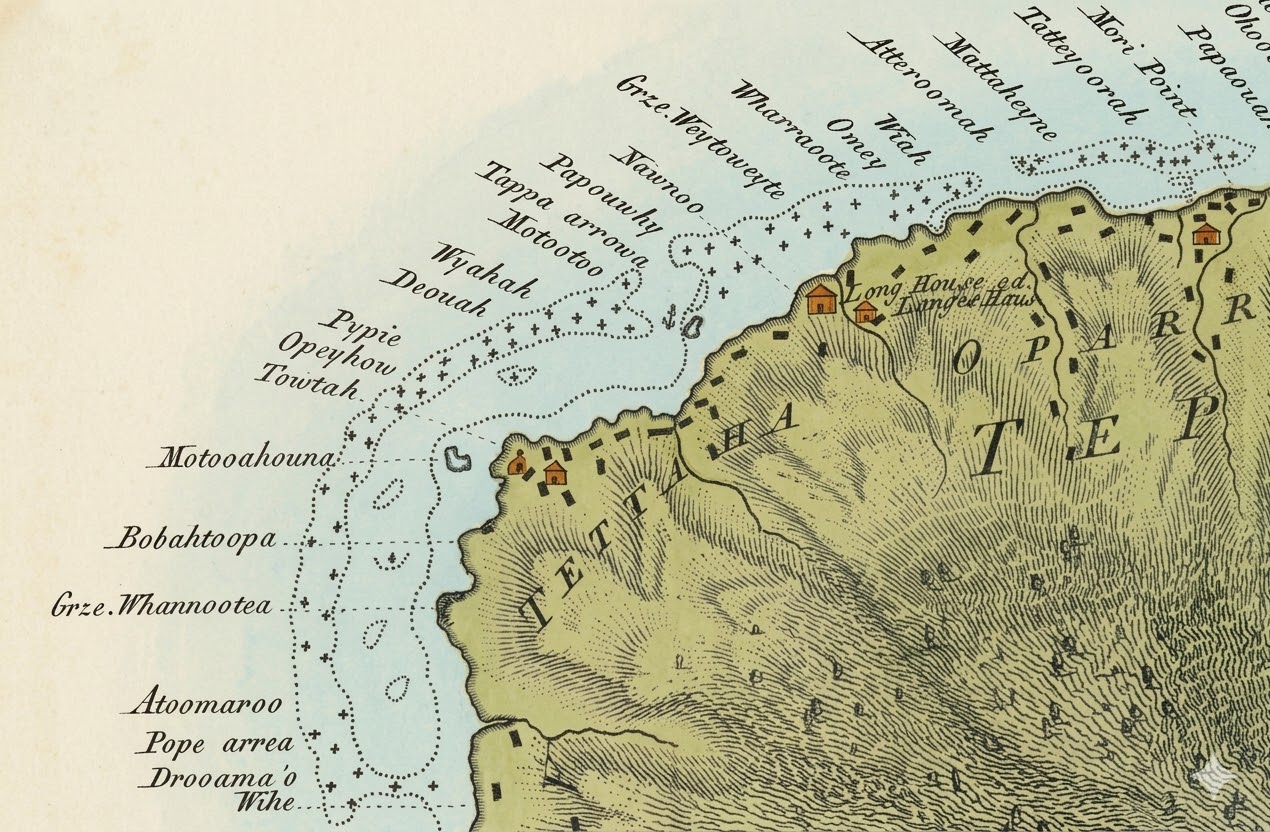
Taraho’i was the name of the marae (sacred stone platform) belonging to the Pomare dynasty, located in Pare-Arue near Point Outu ai’ai. After the death of the young Pomare III in 1823, his fourteen-year-old sister, Aimata, took the name Pomare IV. She settled in Pape’ete with her mother, Teremoemoe, and her aunt, Teriitaria, who served as regent. It was there that the Assembly of Chiefs met for the first time, thereby officializing the status of Pape’ete as the capital (chef-lieu) of the kingdom…

Map drawn up by Captain Wilson on board the Duff. This is the first one on which the future site of Pape'ete appears under the name of Nawnoo.